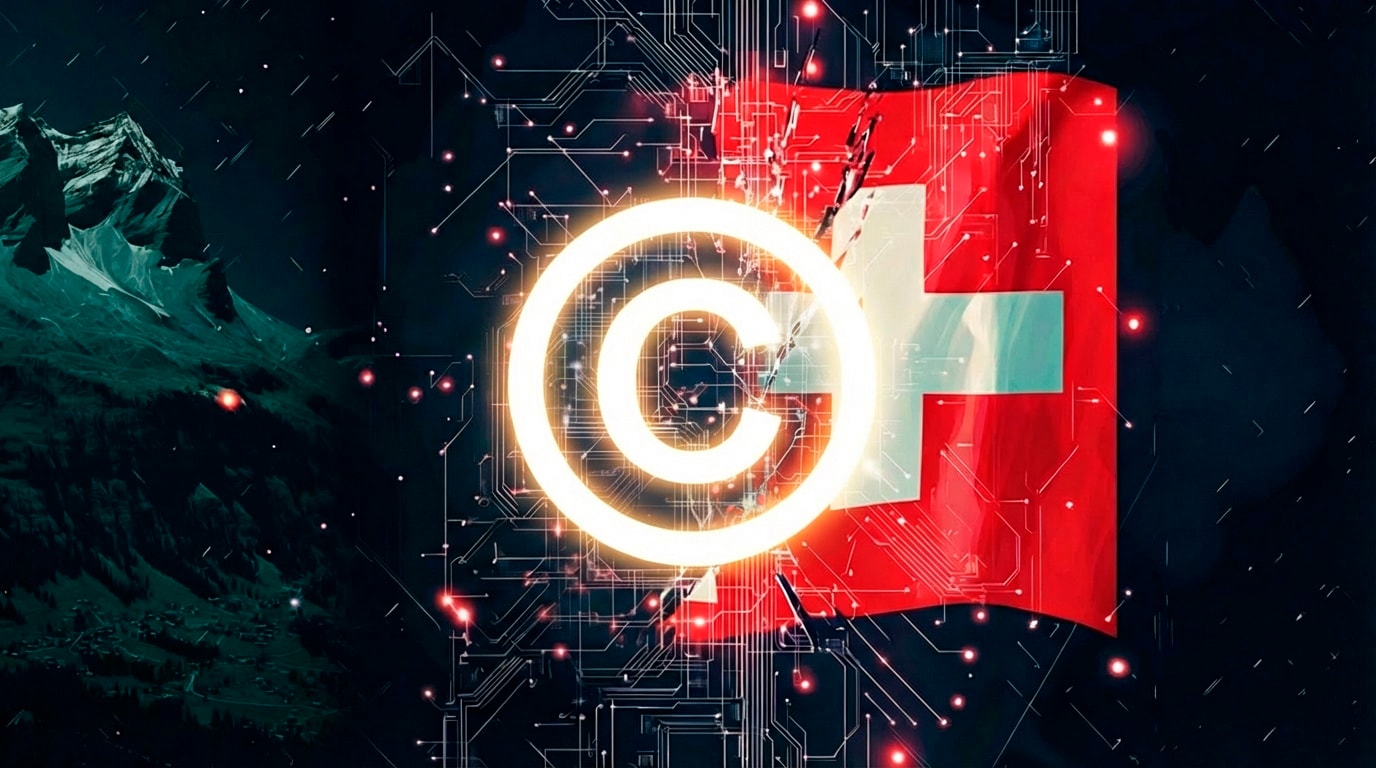
Generative AI is increasingly being used in software development, design, media content, and communication. This is creating a growing need for legal certainty. In several countries, including the United States and EU member states, authorities and courts are addressing the question of whether and to what extent AI-generated works can be protected—particularly when there is clear human creative intent through prompting, selection, and iteration.
From swissAI's perspective, the current legal uncertainty is an obstacle to innovation and investment. Without protection, AI-generated content can be freely copied and reused by third parties, which significantly limits its commercial viability.
“Switzerland should seize this opportunity to take the lead as a pioneer and create a legal framework that protects AI-generated works,” says Chris Beyeler, president of swissAI. “If every quick smartphone snapshot is protected today, there is no logical reason to exclude AI works across the board. Clear regulations would be a massive competitive advantage and would position Switzerland as a safe haven for modern intellectual property.”
AI has become a central tool in modern creative and technological work. Like cameras, graphics software, or word processors, it expands the creative possibilities of humans and has become an indispensable part of many innovation and production processes. What matters most is the creative output of the person who purposefully uses, controls, and curates these tools.
swissAI suggests that policymakers, government officials, and experts work together to examine how existing copyright law can be further developed or clarified to promote innovation while safeguarding the rights of creators. A clear stance on this issue would significantly enhance Switzerland’s appeal to companies, creators, and developers in the long term.